What to do in the first 30 minutes after a serious car accident
Benchmark Injury Law ·
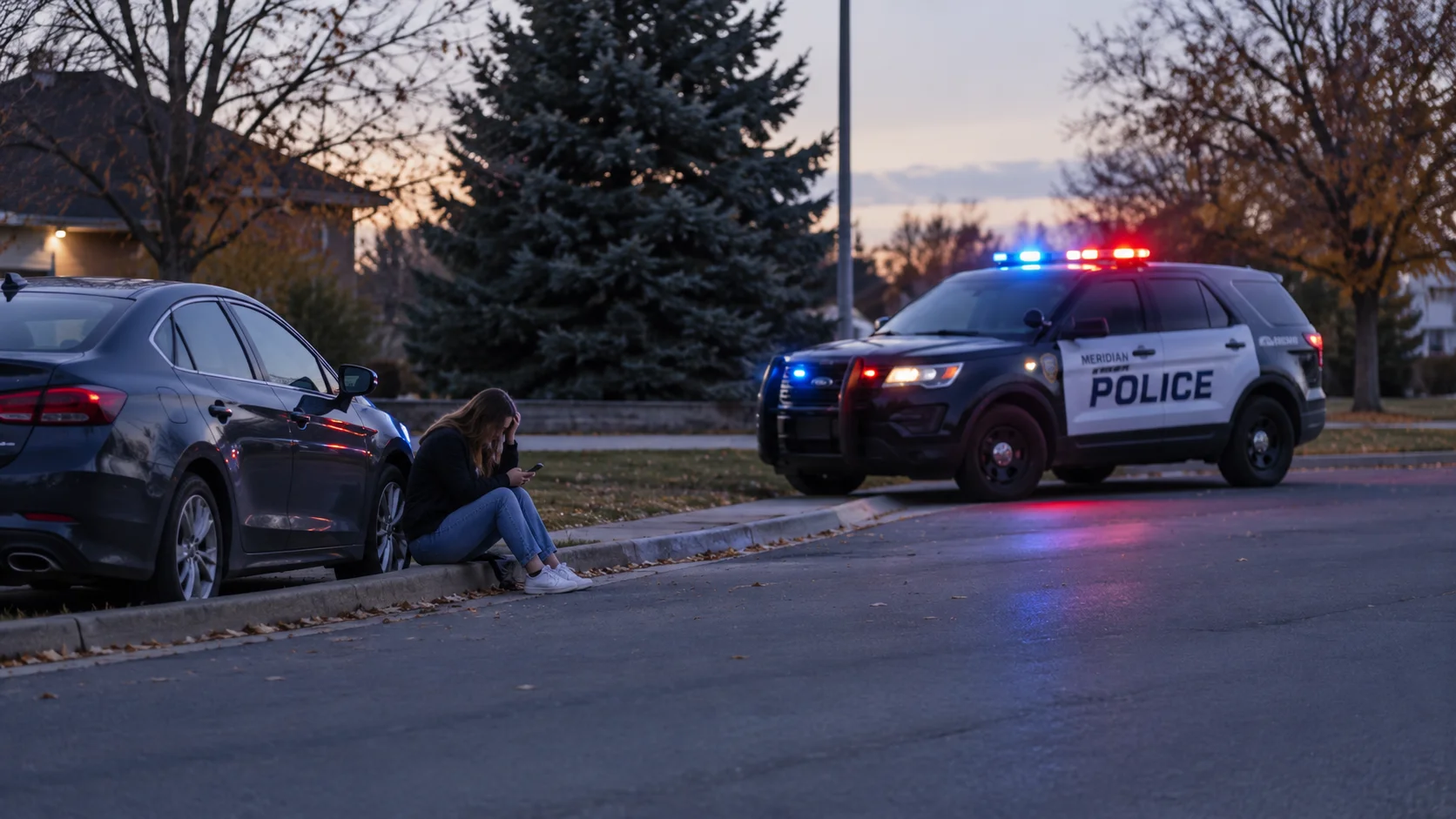
The first 30 minutes set the foundation
The first half hour after a serious crash sets the foundation for everything that follows. What you do before an insurance adjuster ever calls can protect your claim, your health, and your finances. This covers the exact steps in the right order.
Most people freeze or move too fast in the wrong direction. They call family before they call 911. They move the car before they photograph the scene. They apologize to the other driver without thinking about what that admission could mean later. These are not character flaws. They are the natural response to shock. Knowing the order in advance is the only reliable way to get it right when your hands are shaking.
Step one: check for injuries before anything else
Call 911 immediately if anyone is hurt or if you are unsure. Do not wait to assess severity. Emergency dispatchers are trained to help you evaluate the situation over the phone while help is on the way.
Do not move an injured person unless there is an immediate fire or safety hazard. Spinal injuries are common in serious crashes. Moving someone before paramedics arrive can make a survivable injury catastrophic. Stay on the line with the dispatcher until help arrives.
If you feel fine, do not assume you are uninjured. Adrenaline suppresses pain. Whiplash, internal bruising, and concussion symptoms can take 12 to 48 hours to appear. The practical step here is to accept a medical evaluation at the scene even if you feel nothing. That evaluation becomes part of the official record.
Step two: secure the scene if it is safe to do so
Turn on your hazard lights immediately. If the vehicle can be moved safely and police have not yet arrived, move it to the shoulder to reduce the risk of a secondary collision. If the vehicle is not drivable or if moving it would disturb evidence the police will need, leave it in place.
Set out road flares or reflective triangles if you have them. At night or in low visibility, a secondary crash is a real risk. Your safety at the scene matters as much as the documentation you are about to collect.
Stay off the road itself. Stand behind a barrier or on the shoulder away from traffic while you wait for police. This is not overcaution. Highway crashes involving stopped vehicles and pedestrians happen every year.
Step three: document everything before the scene changes
Use your phone to photograph the scene before anyone moves a vehicle. Take wide shots showing the full positions of all vehicles, then close shots of every point of contact and damage. Photograph license plates, street signs, traffic signals, skid marks, and any debris on the road.
If there are witnesses, ask for their names and phone numbers before they leave. Witnesses disperse fast. A stranger who saw the light change or watched the other driver run a stop sign is worth more to your claim than almost anything else you can collect in those first minutes.
Note the time, the weather, the road conditions, and the direction each vehicle was traveling. Write it down in a notes app or send yourself a voice memo. Memory degrades within hours, especially after a traumatic event. Your notes from the scene will be more accurate than your recollection two weeks later.
Step four: exchange information the right way
Collect the other driver's full name, phone number, driver's license number, license plate, insurance company name, and policy number. Provide the same information in return. This exchange is required by law in every state.
Do not discuss fault. Do not say you are sorry, even as a reflexive courtesy. Do not speculate about what caused the crash. Statements made at the scene can be used against you, and you do not yet have the full picture of what happened. Keep the exchange factual and brief.
If the other driver becomes aggressive or refuses to provide information, stay in your vehicle and wait for police. Do not argue. The officer's report will capture the exchange refusal, which matters if the case becomes a dispute.
Step five: cooperate with police, then get the report number
When the officer arrives, answer questions honestly and accurately. Describe what you observed and what happened to your vehicle. Do not guess about speed or distance if you are not certain. Saying "I do not know" is better than a number that contradicts physical evidence later.
Before the officer leaves, ask for the report number and find out how to obtain the full report once it is filed. In most jurisdictions, crash reports are available within 3 to 10 business days. You will need this report when you file your insurance claim. Write the report number down immediately.
If the officer's account of the crash does not match what you observed, you can note the discrepancy in your own records. You have the right to request a correction through the department that filed the report, and your documentation from the scene supports that request.
What not to do before the adjuster calls
Do not give a recorded statement to any insurance company before you have spoken with an attorney if the crash involved serious injury, significant vehicle damage, or a commercial vehicle. Adjusters are trained interviewers. A recorded statement made in the hours after a crash, when you are still processing what happened, can contain imprecise language that works against your claim.
Do not post about the crash on social media. Photographs, comments, and even check-ins can be pulled into a claim dispute. A photo of you at a family dinner two days after the crash does not prove you are uninjured, but it can be presented that way.
Do not agree to a quick settlement before you know the full extent of your injuries or vehicle damage. Adjusters sometimes contact claimants within 24 to 48 hours with an early offer. Early offers almost always reflect the minimum the company expects to pay, not the actual cost of the harm. Once you accept and sign a release, the claim is closed.
When to get professional help and how to reach us
Some crashes are straightforward. Two vehicles, minor damage, no injuries, cooperative parties, and a clean police report. In those cases, the steps above and a standard insurance claim are likely sufficient.
Other situations call for a professional. If there are injuries, disputed fault, a commercial vehicle involved, an uninsured driver, or if the other party has legal representation, you need an attorney before you speak to any adjuster. The same applies if you are a business owner and the crash involved a company vehicle, an employee driver, or a delivery in progress. Those situations carry liability that extends well beyond the personal claim.
If you operate a local business and you are thinking about how an event like this affects your operations, your online presence, or your customer communication, that is where we can help. Talloo builds marketing infrastructure for local businesses through Visibility, Engage, and Foundation. We handle local SEO, Google Business Profile management, social, and website design so your business keeps running and stays visible even when your attention is somewhere else. Get in touch for a quote.
Frequently asked questions
Should I call 911 even if the crash seems minor?
Yes. A police report creates an official record that insurance companies rely on when evaluating claims. Without it, the other driver can change their account of events later and there is no documented baseline to counter that. Call 911 and wait for the officer to file the report.
What information do I need to collect from the other driver?
Collect their full name, phone number, driver's license number, license plate number, insurance company name, and policy number. If there are passengers, note how many. Photograph their insurance card and license rather than writing the numbers by hand to avoid transcription errors.
Can I move my vehicle before police arrive?
In most states, you are required to move a drivable vehicle to the shoulder if it is blocking traffic and no one is injured. Before you move it, photograph the positions of all vehicles from multiple angles. The scene changes the moment cars move, and those photographs are your record of what happened.
What if the other driver does not have insurance?
File a claim under your own uninsured motorist coverage if you carry it. Document everything at the scene exactly as you would in any crash, including the other driver's information and the police report number. An attorney familiar with uninsured motorist claims can help you understand your options before you speak to your own adjuster.
How soon will an insurance adjuster contact me?
In serious crashes, adjusters from one or both insurance companies can call within 24 to 48 hours. You are not required to give a recorded statement immediately. You can tell the adjuster you are still gathering information and will follow up. That pause gives you time to consult an attorney if the situation warrants it.
Do I need a lawyer after a car accident?
Not always. If injuries are minor, fault is clear, and both parties are insured and cooperative, a standard claim handled directly with insurers is often sufficient. If there are significant injuries, disputed fault, a commercial vehicle, or if you receive a quick settlement offer, consulting an attorney before signing anything is worth the time.
What if I did not feel injured at the scene but symptoms appeared later?
See a doctor within 24 hours of any serious crash even if you feel fine at the scene. Whiplash, concussion, and soft tissue injuries commonly appear 12 to 48 hours after impact. A same-day or next-day medical visit creates a documented timeline that connects your symptoms to the crash, which matters significantly in a claim.
What should I not say to the other driver at the scene?
Do not apologize, speculate about speed or fault, or describe what you think caused the crash. Keep the exchange factual: names, contact information, insurance details. Statements made in the first minutes after a crash are made without full information and can be misrepresented later in a claim dispute.
How do I get a copy of the police report?
Ask the officer at the scene for the report number and the name of the department filing the report. Most crash reports are available within 3 to 10 business days through the department's online portal or in person. Some states charge a small fee for a copy. Your insurance company will also request this report directly.
What is the first step if I am a local business owner dealing with the aftermath of a crash?
Handle the immediate safety and legal steps first: medical evaluation, police report, documentation, and attorney consultation if injuries or liability are involved. Once operations stabilize, Talloo can help ensure your business stays visible and your customer communication stays on track. Get in touch for a quote.