What to do in the first 48 hours after a delivery driver hits you
Benchmark Injury Law ·
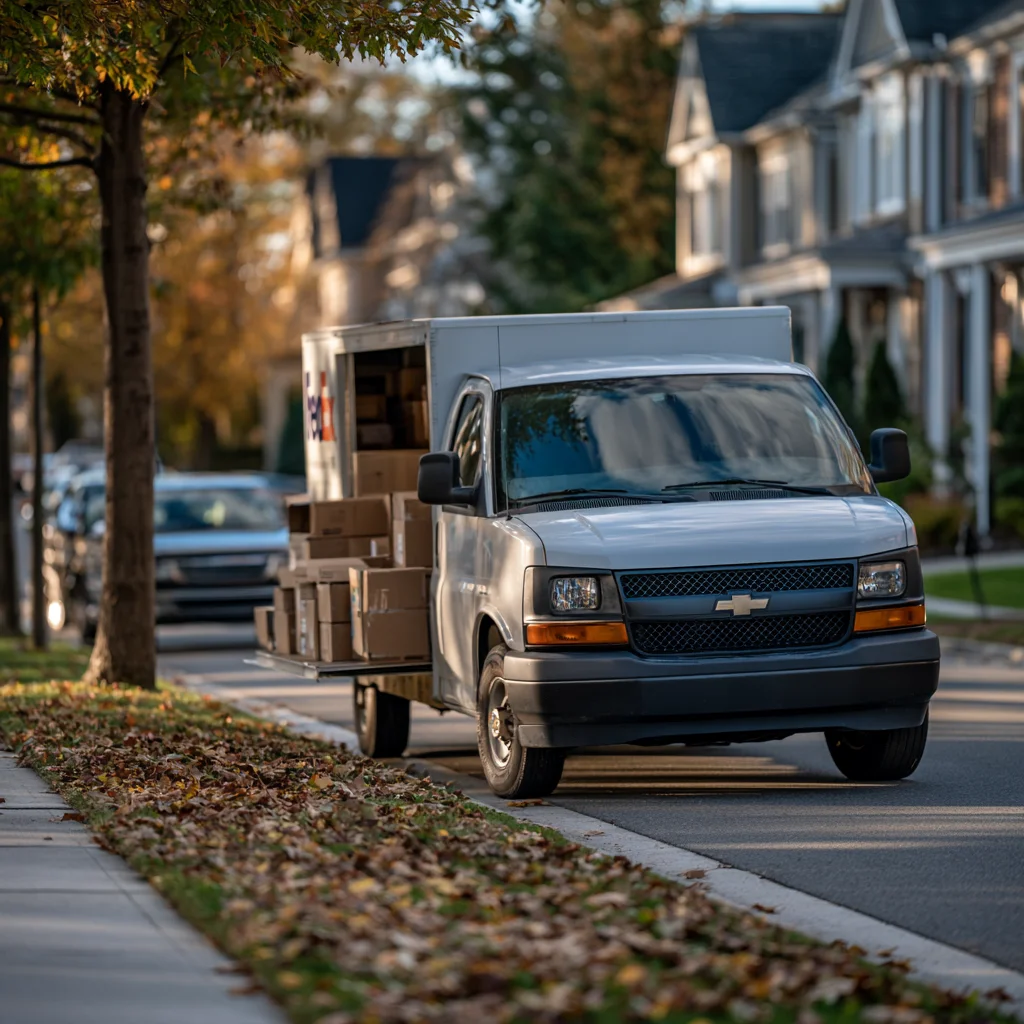
The steps you take right after the crash set everything else up
The steps you take immediately after the accident matter more than most people realize. Evidence disappears, witnesses leave, and delivery companies have claims processes designed to move fast. Here is a clear sequence to follow before you lose ground.
Delivery drivers during the holiday season — November through January — are under more pressure than at any other point in the year. Routes are longer, schedules are compressed, and some drivers are independent contractors working for platforms that add a layer of legal complexity to any claim. That complexity works against you if you are not prepared. It works for you if you are.
Call 911 and stay at the scene
Call 911 first, even if the collision looks minor. A police report creates an official record that neither party can revise later. Without one, the delivery company's insurer controls the narrative from the first phone call.
Stay at the scene until officers arrive and your statement is recorded. If you leave before the report is filed, you lose the ability to shape what goes into it. Officers will document the vehicles involved, the driver's employer information, and the conditions at the time of the crash. That report number becomes the anchor for every subsequent step.
If you feel any pain — even mild neck stiffness or a headache — tell the responding officer and decline to say you are uninjured. Adrenaline masks pain. Injuries that seem minor at the scene can present differently within 24 to 72 hours.
Document everything before you move your vehicle
Use your phone to photograph both vehicles from multiple angles before anything is moved. Capture the point of impact, the position of both vehicles in the lane, skid marks if any exist, traffic signals or signs nearby, and the driver's face, uniform, and any visible company markings on the vehicle.
Photograph the driver's license, insurance card, and vehicle registration. Write down or photograph the vehicle identification number on the dashboard and the license plate. If the driver is working for a platform like Amazon Flex, DoorDash, or a regional courier, note the company name on the vehicle or uniform and ask the driver directly who their employer is for this delivery.
Ask any bystanders if they saw the collision. If someone says yes, get their name and phone number before they walk away. Eyewitness accounts carry weight in disputed claims, and witnesses are gone within minutes of the scene clearing.
Understand who actually employs the driver
This is where holiday delivery accidents get complicated. A driver in an Amazon-branded vest may be employed by a third-party delivery service company, not Amazon directly. A driver in an unmarked vehicle may be a gig worker using their personal insurance with a commercial rider, or they may have no commercial coverage at all.
Ask the driver point blank: are you an employee or a contractor? Note their answer. This distinction determines which insurance policy applies and which company's legal team will be involved. If the driver is a contractor, you may need to pursue both the driver's personal auto insurer and the platform's commercial liability policy.
During peak season, platforms like UPS, FedEx, and Amazon significantly expand their contractor networks. Many of those contractors are newly onboarded and may carry minimum state limits. Know that before you accept any early settlement offer.
Seek medical attention within 24 hours
Go to an urgent care clinic or emergency room within 24 hours, even if you feel fine. Soft tissue injuries — whiplash, muscle tears, and spinal compression — do not always produce immediate pain. A medical record dated the day of the accident is a direct link between the crash and your injury. A medical record dated five days later is easier for an insurer to dispute.
Tell the treating provider exactly how the injury happened. Be specific: a delivery vehicle struck the driver's side of your car at an intersection. That detail goes into your chart and becomes part of your medical record. Keep every bill, every prescription receipt, and every follow-up appointment record.
If you are a local business owner and the accident happened during a work errand, document that too. Lost workdays and reduced operations capacity are recoverable damages in most states.
Notify your own insurance company the same day
Call your insurer on the day of the accident, not the next morning. Most policies require prompt notification as a condition of coverage. Missing that window can complicate your own uninsured or underinsured motorist claim if the delivery driver turns out to be underinsured.
Report the facts: date, time, location, the other driver's information, and the police report number. Do not speculate about fault or describe your injuries in detail at this stage. Stick to what you know. Your insurer will open a claim file and assign an adjuster.
If the delivery company's insurer contacts you before you have spoken with an attorney, you are not required to give a recorded statement. Decline politely and note the caller's name, the company they represent, and the time of the call. That recorded statement can be used to minimize your claim.
Build your paper trail in the first 48 hours
Create a single folder — physical or digital — and put everything in it. The police report number, all photographs, the driver's information, your medical intake paperwork, the claim number from your insurer, and a written timeline of what happened. Write that timeline while the details are fresh. Include the direction you were traveling, the speed limit, the weather, the time of day, and what the driver said to you at the scene.
If your vehicle was towed, get the tow company's name and the lot address immediately. Vehicles held at impound lots accumulate storage fees by the day, and some lots charge for access to photograph your own car. Request a written repair estimate from at least two shops before authorizing any work.
Keep a daily log of your symptoms starting the day of the accident. Note pain levels, what activities you could not do, and any medications you took. This log becomes a damages record if the case moves toward a formal claim or litigation.
When to bring in a professional and how to reach us
You can handle the documentation steps yourself. The point where professional help pays for itself is the moment the delivery company's insurer makes an offer. Early settlement offers during the holiday season are common. Insurers know claimants are busy and may accept a low number to close the file fast.
An attorney who handles vehicle accident claims can review the offer against your documented damages and advise whether it covers your medical costs, lost income, and vehicle repair. Most work on contingency, meaning no upfront cost to you.
For local business owners, the operational impact of an accident — missed deliveries, reduced staffing, closed hours — can be a recoverable loss. Document it the same way you would document any other business expense. Time spent away from operations has a dollar value, and that value belongs in your claim.
If you are a local business owner and want guidance on how to present your situation clearly, Talloo works directly with owner-operators. Get in touch for a quote and we will give you a straight answer on what comes next.
Frequently asked questions
What is the first thing I should do if a delivery driver hits my car?
Call 911 before anything else, even if the damage looks minor. A police report locks in an official record that neither the driver nor the delivery company can alter. Stay at the scene until officers file the report and your statement is recorded.
What if the delivery driver says they are an independent contractor and not an employee?
Write down exactly what they tell you and note the company name on the vehicle or uniform. Contractor status means two separate insurance policies may apply: the driver's personal auto policy and the platform's commercial liability coverage. You may need to file against both.
Do I need to see a doctor if I feel fine after the accident?
Yes, within 24 hours. Soft tissue injuries like whiplash commonly produce no immediate pain but appear within one to three days. A medical record dated the day of the accident directly connects your injury to the crash. A delayed record is easier for an insurer to dispute.
Should I give a recorded statement to the delivery company's insurer?
No, not before you have spoken with an attorney. You are not legally required to provide a recorded statement to the other party's insurer. Politely decline, note the caller's name and company, and consult an attorney before agreeing to any recorded interview.
How do I handle an early settlement offer from the delivery company?
Do not accept it on the spot. Early offers are frequently made before your full medical picture is clear and may not cover all your costs. Have an attorney review any offer against your documented damages, including medical bills, vehicle repair, and lost income, before you sign anything.
What should I photograph at the scene?
Photograph both vehicles from at least four angles before either is moved, the point of impact, skid marks, nearby traffic signals, the driver's license and insurance card, the vehicle registration, and any company markings on the vehicle. Also capture the VIN on the dashboard and the license plate.
What if the delivery driver was underinsured or had no commercial coverage?
Notify your own insurer on the day of the accident. Your uninsured or underinsured motorist coverage may apply if the driver's policy limits do not cover your damages. Most policies require prompt notification, so do not wait to make that call.
Can I recover lost income if the accident kept me from running my business?
Yes, in most states lost income is a recoverable damage. Document every day you could not work, every appointment you missed, and every operational cost you incurred because of the accident. Treat it the same way you would document any other business expense.
How long do I have to file a claim after a delivery driver hits me?
Statutes of limitations vary by state, typically ranging from one to three years for personal injury claims and one to four years for property damage. However, evidence degrades and witnesses become harder to locate the longer you wait. Start your documentation the day of the accident.
What is the first step if I need help navigating this as a business owner?
Get in touch for a quote. Talloo works directly with local business owner-operators and will give you a clear answer on what your situation involves and what steps make sense for your specific case.